
Arrest Warrants in San Miguel County
An arrest warrant is a judicial order directing a peace officer to arrest a named person. Colorado law requires a pre-complaint warrant to rest on a sworn affidavit with enough facts for a judge to find probable cause. Probable cause means a reasonable basis to believe an offense occurred and the named person committed it. A complaint or affidavit moves to judicial review. An approved order then enters the court process.
San Miguel County lies in the Seventh Judicial District. County Court and District Court operate through the Combined Courts in Telluride. The court keeps the case record while law enforcement serves the order. Those roles differ. The Sheriff may answer service, custody, and bond questions. The Clerk of Court is the sound source for the case, next setting, and whether the issuing judge recalled or quashed the warrant.
San Miguel Warrant Court Route
Start with the official San Miguel court page. It lists court services and warns that anyone with an OJW or warrant must come to court rather than pay online. Payment software is no warrant check. It proves nothing about clearance. The Colorado Judicial Branch docket search is the better first stop when a case number or likely hearing date is known. Results may show a case and a hearing. They will not show every warrant status. For instructions straight from the issuing court, call the Combined Courts Clerk for San Miguel County at 970-369-3310. The Sheriff/Jail at 970-728-1911 is the parallel route for custody, service, and bond questions. Give a full legal name, a birth date, and a case number if you have one, and ask staff to separate an arrest warrant from a bench warrant or an Outstanding Judgment Warrant, called an OJW.
What a San Miguel County Arrest Warrant Contains
A court or criminal-justice record can hold several linked parts. Access varies. Affidavits, active-investigation facts, juvenile material, and sealed orders may be withheld, and San Miguel County publishes no local warrant-number format and no public status-code table, so do not guess a pattern.
| Case identifier | Court and case number linking the order to a docket; local warrant number format was not located. |
|---|---|
| Named subject | Legal name and identifiers that distinguish people with similar names. |
| Basis | Complaint, affidavit, charge, or other lawful ground reviewed for probable cause. |
| Issuing authority | Judge or magistrate and the court authorizing arrest. |
| Bond or hold | Release terms, cash-only direction, or another hold, if set. |
| Status and return | Issue date, current status, service, and an officer's process return. |
A blank online result proves nothing in San Miguel County. It may reflect a sealed file, an active investigation, a juvenile restriction, a municipal matter, or a lag between court and agency systems.
Who Serves San Miguel Warrants
Service can fall to the San Miguel County Sheriff, the Telluride Marshal, Mountain Village Police, Colorado State Patrol, or another peace officer. The arresting agency need not be the issuing court. A warrant can surface during unrelated police contact. A traffic stop counts. It can also be served after a planned surrender arranged through counsel. The county posts no public warrant-unit roster or service schedule, and the Mountain Village Police page sets out its building and criminal-justice records route.
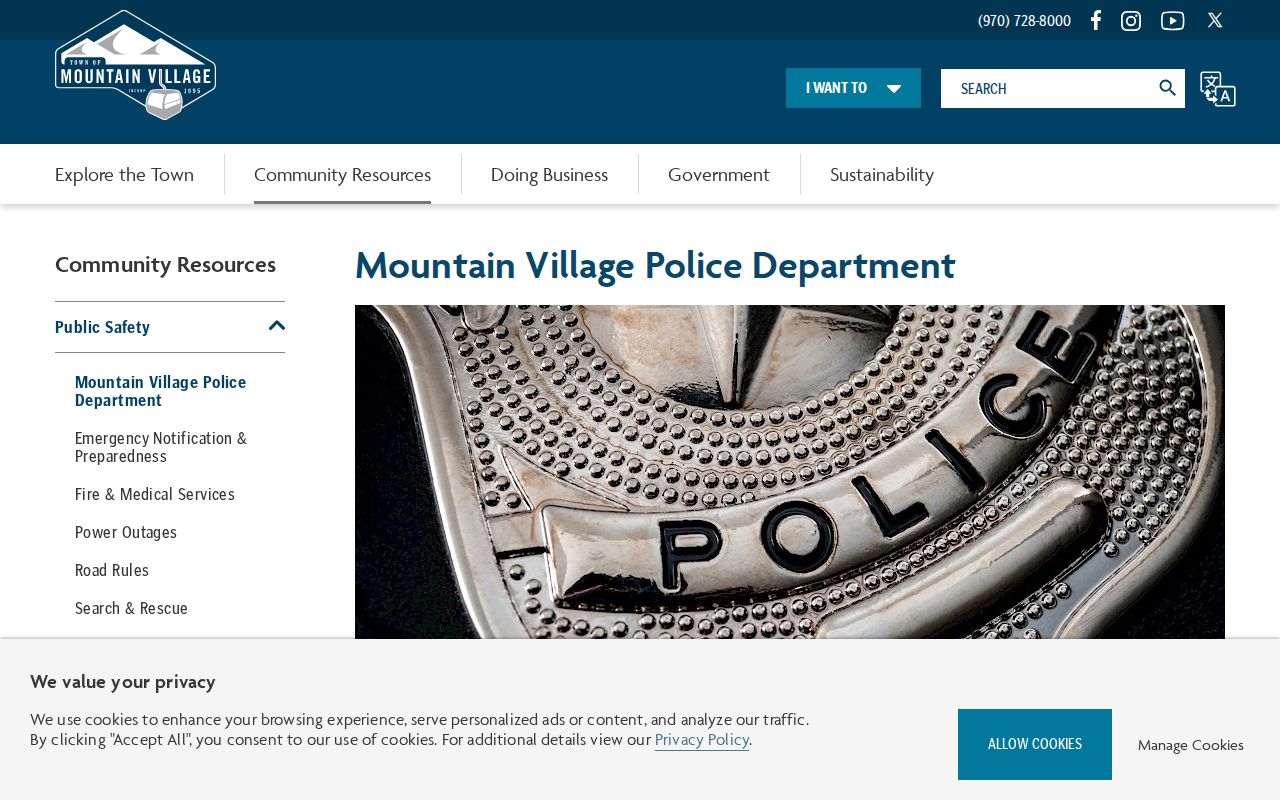
A municipal police record is its own channel. That split matters here. The department's staff and location page lists its location and emergency communications details, useful even when the San Miguel County Sheriff later holds booking or service information.
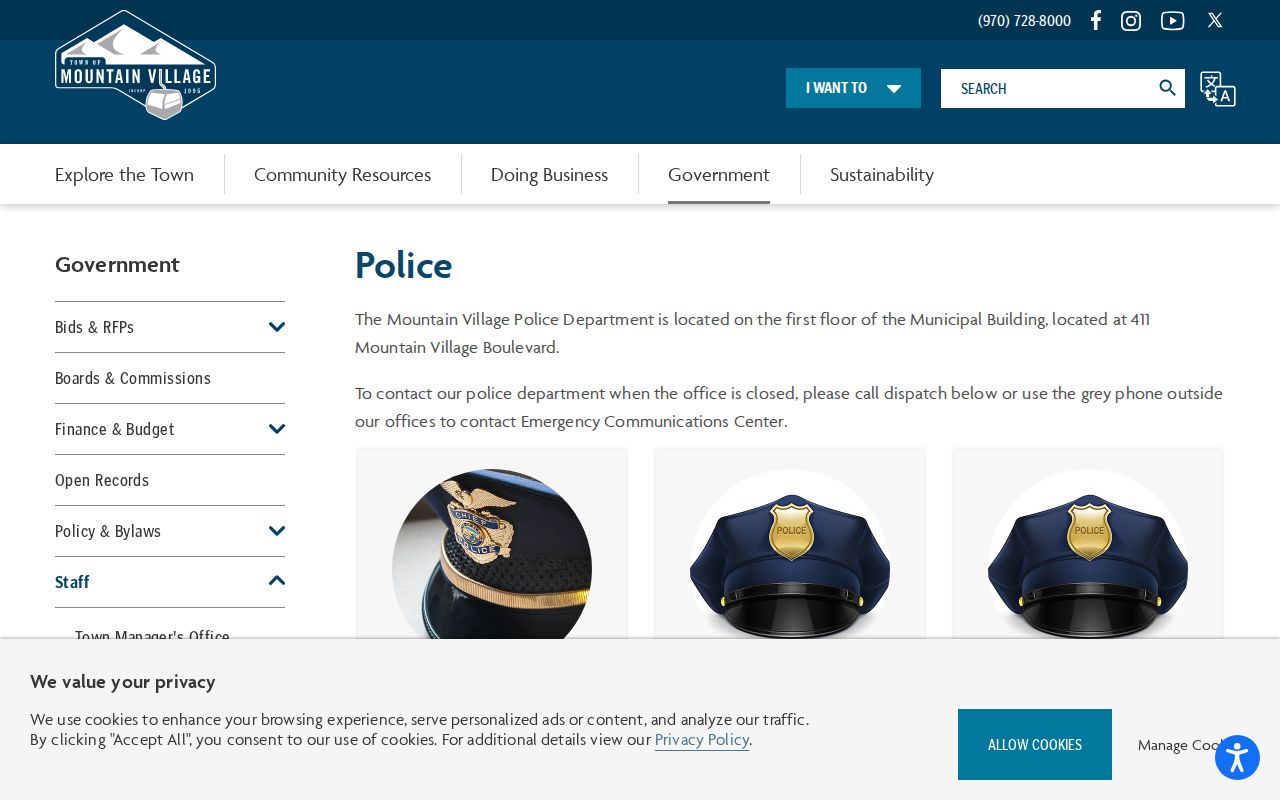
Use those official contacts for a Mountain Village police record. For the legal status of a warrant, the issuing court in San Miguel County has the last word.
San Miguel Municipal Court Clues
An arrest order can also come from a town court. So the county docket is not the only door. Mountain Village's municipal code Title 2 lays out the town's Municipal Court framework within San Miguel County.
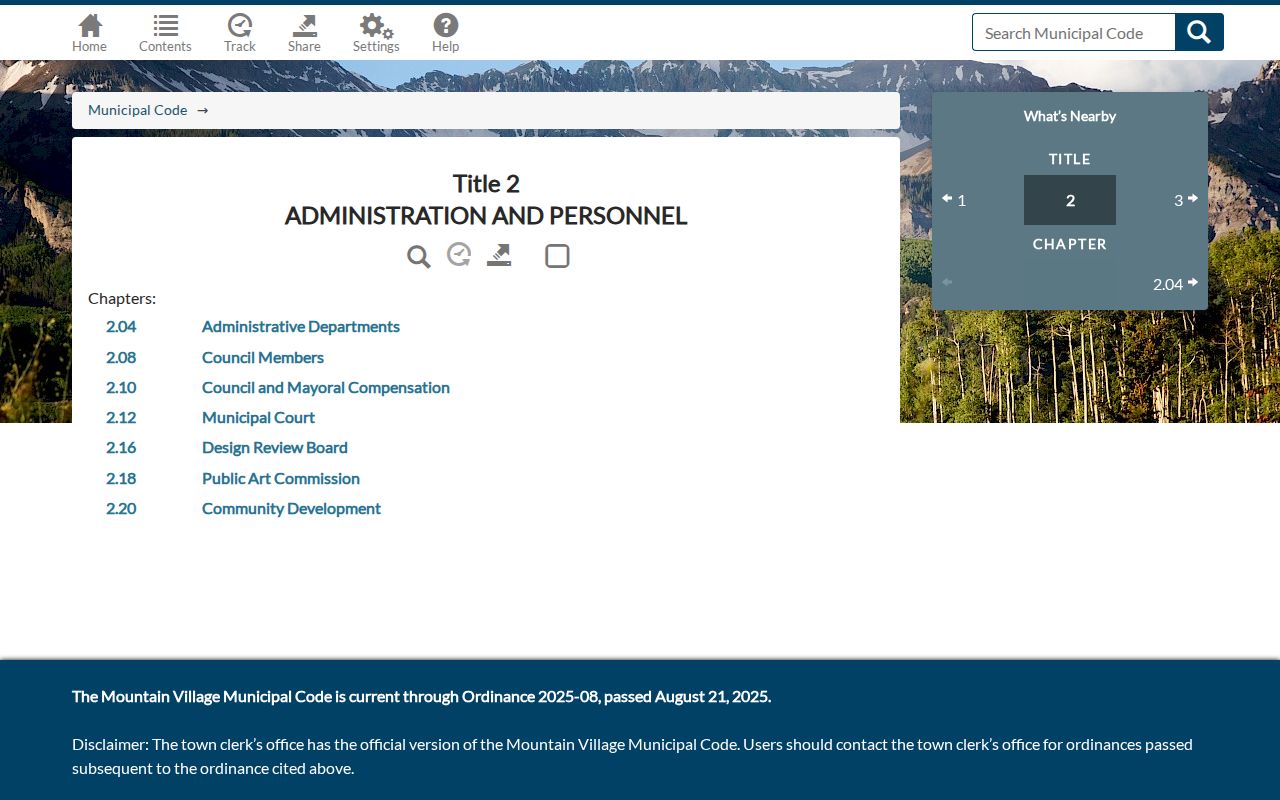
The code index confirms a separate town court structure. It is not a name search. Norwood, also in San Miguel County, posts an official municipal docket page, lists its first-Wednesday court schedule, and offers no live warrant-status tool there.
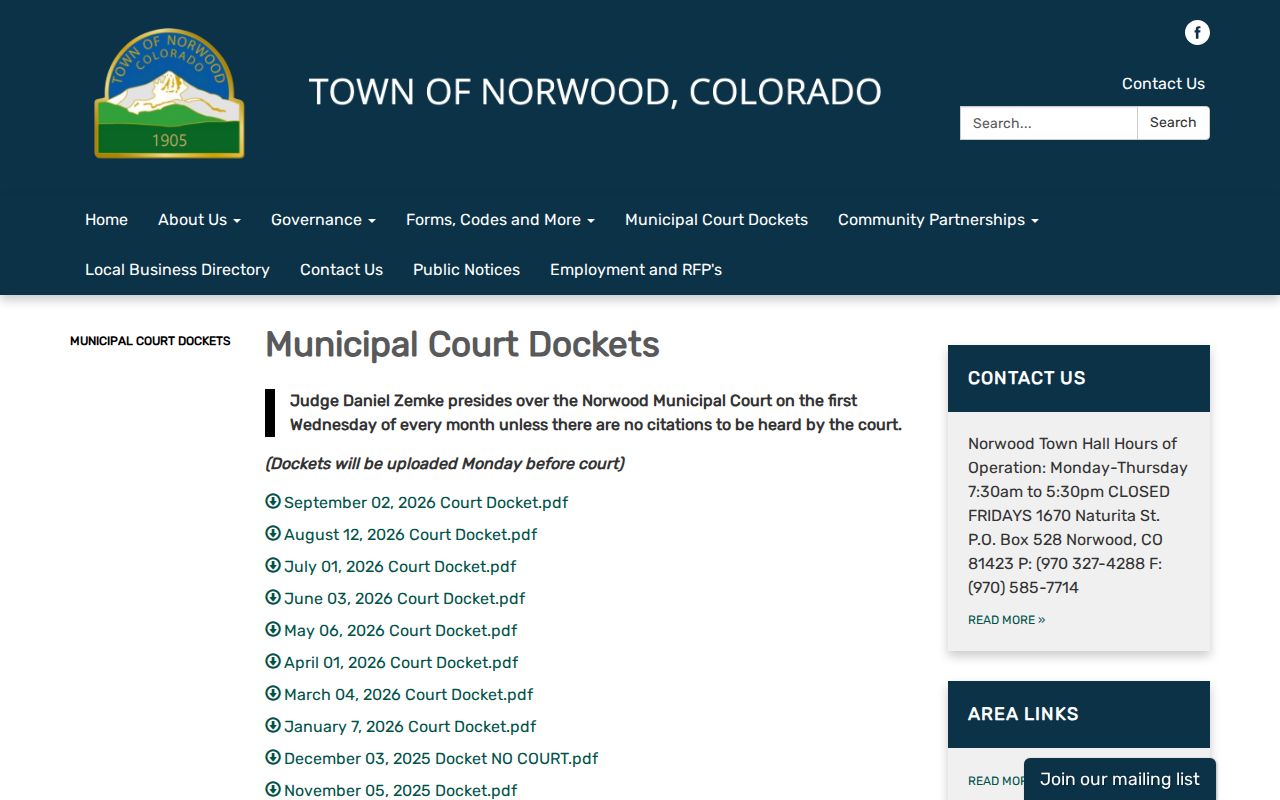
A posted docket is a schedule, not a full warrant list. Ask the San Miguel County town court whether an order exists and what the municipal judge requires.
How San Miguel County Arrest Warrants Are Served
Once a San Miguel County warrant is served, the person can be booked and brought before a judge or magistrate, who may set or change bond. Bond buys release. It also secures a future appearance. It does not end the charge or erase the warrant record. San Miguel County takes bond at the Sheriff's Office at any time, accepting cash, a money order, a credit card, or a cashier's check made out to the court. A bondsman works too, unless the judge ordered cash-only terms. The county sets no universal warrant bond schedule, so ask about the exact order, the payee, the next court date, and any other holds. Cash bond means paying the full amount. A surety bond runs through a licensed agent who charges a fee and may require collateral. A personal-recognizance bond rests on a signed promise to appear. Property bond depends on court rules.
The Sheriff's published bond notice adds practical safeguards at this stage. Booking, bond, and other debt fees are not prerequisites to release. Decline to pay the $10 bond fee or a card fee of no more than 3.5% at posting, and they become post-release debt instead, while no fee may be charged for kiosk, cash, check, or money-order payment. Once personal-recognizance or cash bond conditions are met and the jail receives notice, release is generally required within six hours absent extraordinary circumstances, and arranging electronic monitoring may extend that period to 24 hours. The payor should receive the bond paperwork and the next court date. Keep both. Release is only one stage, because the court must still address the case and record the warrant as served, returned, recalled, quashed, or cleared.
San Miguel Probable Cause Records
Most arrest-warrant requests in San Miguel County rest on a sworn affidavit. That means facts stated under oath. It can name alleged acts, sources, dates, and the reasons an officer links a person to an offense. A judge tests whether those facts clear the threshold. The warrant authorizes arrest, while the complaint states or starts the criminal charge. Those documents do distinct jobs. Supporting papers may not be open during a search. A sealed warrant or affidavit can stay outside public view until secrecy ends or a court permits access. Colorado criminal-justice access rules allow protection of active-investigation details and material made confidential by law, and juvenile records carry their own special limits. Ask which document is unavailable. Then ask whether sealing, redaction, or another rule applies to what you need.
Arrest Warrant vs Summons vs Bench Warrant
San Miguel County courts use three tools differently. A summons orders attendance without ordinary arrest authority. A citation can also direct a person to appear at a set time and place. Miss that duty and the court may consider a bench warrant; see bench warrants for missed-appearance details in San Miguel County.
| Feature | Arrest Warrant | Summons | Bench Warrant |
|---|---|---|---|
| Order | Make an arrest | Appear as directed | Arrest after missed duty |
| Basis | Probable cause or lawful ground | Charge without initial custody | Failure to appear or comply |
| Issuer | Judge or magistrate | Court or officer | Judge or magistrate |
| Response | Confirm and plan bond | Attend on time | Ask about recall or appearance |
Ask the San Miguel County clerk to identify the exact order, and never assume an online citation payment recalls a warrant.
San Miguel Sheriff Records
A San Miguel County Sheriff activity report is not a warrant file. It is preliminary reporting. Facts may change or be withheld. A criminal-justice records request is the separate route to a Sheriff-held report. It requires state-issued identification and a signed pecuniary statement about direct solicitation for financial gain. Fees and redactions may apply under the Colorado Criminal Justice Records Act. Request only the needed record, such as an incident or booking document tied to a known case. The court issues judicial orders. Sheriff records cannot change a judge's order. Court staff may not hold an officer's investigative file, so ask the right office first.
What to Do If There's a Warrant for You
First, confirm the basics. Get the issuing court, the order type, the case number, the bond terms, and the next step. Ask whether the judge requires an appearance or will hear a motion to recall or quash. Recall means withdrawal. Quash means setting the order aside. San Miguel County publishes no recall form, filing fee, open walk-in window, amnesty week, or safe-surrender day. Staff can explain procedure but cannot give legal advice. Voluntary surrender, posting bond, and a motion to recall or quash are possible routes, best handled with an attorney who can contact the court, check for other holds, and plan the timing. After court action, verify that the new status is recorded. San Miguel publishes no update interval between systems.
Important: Consult a lawyer before surrender. Advance confirmation helps preserve control over timing, bond, and the required court appearance.